
Herb Garden Startup: A Realistic View
Starting an herb garden business often seems idyllic, but the reality is complex. While startup costs are lower than, say, orchard farming, success requires more than just a love for herbs. Many entrepreneurs underestimate the work, marketing challenges, and the need for a solid business plan. Treat this as a business from day one.
Many small herb farms fail within three years, often due to a lack of market understanding or poor financial planning, not growing conditions. Entrepreneurs frequently grow what they enjoy instead of what sells profitably. Seasonality, spoilage, and consistent quality are often overlooked. A strong business plan separates a hobby from a profitable enterprise.
Demand for herbal products is strong, with historical uses in cooking, medicine, and cosmetics. Recent interest in natural alternatives has further boosted this market. However, a broad market doesn't guarantee success. Identify your niche, understand competitors, and develop a strategy to reach customers. Don't expect customers to find you automatically.
Meticulous record-keeping, tracking expenses, harvests, and sales, leads to informed decisions. While gardening is enjoyable, remember this is a business. Create detailed projections, analyze costs, and evaluate performance. A realistic view and diligent planning build a successful herb garden business.
Market Research: Finding Your Niche
Before planting, understand your market. Growing herbs you enjoy isn't enough; identify a profitable niche and validate demand before investing time and resources. The herb market has three main categories: culinary, medicinal, and cosmetic, each with unique opportunities and challenges.
Culinary herbs like basil, rosemary, thyme, and oregano are accessible but competitive, with customers including restaurants, farmers markets, and home cooks. Medicinal herbs such as echinacea, chamomile, and St. John’s Wort offer higher profit margins but require strict attention to regulations and quality control. Cosmetic herbs, used in soaps, lotions, and aromatherapy, represent a growing market but need specialized knowledge of extraction and formulation.
Analyze local demand by visiting farmers markets. Note which herbs are sold and their prices. Talk to vendors for insights. Contact local restaurants and health food stores about their sourcing needs and preferences. Ask direct questions and build relationships with potential buyers.
Explore online sales. Etsy is popular but competitive. Consider your own website or Shopify for brand identity. Research competitor pricing, product descriptions, and marketing. Look for market gaps, such as herbs not readily available locally or online.
- Culinary Herbs: High competition, broad appeal.
- Medicinal Herbs: Higher profit margins, stricter regulations.
- Cosmetic Herbs: Growing market, requires specialized knowledge.
Herb Niche Comparison: Key Business Factors (2026 Outlook)
| Niche | Startup Investment | Market Demand | Competitive Landscape | Regulatory Considerations | Potential Profitability |
|---|---|---|---|---|---|
| Culinary Herbs | Relatively Lower | High | Medium to High | Generally fewer; food safety standards apply | Moderate; relies on consistent volume |
| Medicinal Herbs | Moderate | Medium to High | Medium | Significant; Good Agricultural and Collection Practices (GACP) often needed | Higher, but requires specialized knowledge |
| Cosmetic Herbs | Moderate to Higher | Growing | Medium | Increasing; organic certification and ingredient traceability are important | Good, especially with value-added processing (e.g., infused oils) |
| Specialty/Rare Herbs | Higher | Niche, but Growing | Lower | Variable; depends on the herb and its intended use | Potentially Very High; premium pricing possible |
| Aromatic Herbs (Potpourri/Essential Oils) | Moderate | Medium | Medium to High | Some; depends on end product (e.g., cosmetic regulations for oils) | Moderate; dependent on processing and market access |
| Herbs for Tea | Relatively Lower | Medium | Medium | Food grade standards apply | Moderate; strong competition from established brands |
Qualitative comparison based on the article research brief. Confirm current product details in the official docs before making implementation choices.
Cultivation Costs: From Seed to Harvest
Accurately calculating cultivation costs is fundamental to profitability. Account for everything from soil amendments to pest control, not just seed prices. Seeds are cheaper but require more time and labor than starts. Soil quality is critical; budget for compost, manure, or other organic amendments. Irrigation is another significant expense, particularly in drier climates.
Underestimate labor costs. Assign a monetary value to your time, even if you do all the work. Pest and disease control can add unexpected expenses. Organic growers face different costs than conventional growers. Organic certification, while potentially increasing market value, has fees and requirements. Conventional growers may need to budget for pesticides and herbicides.
Estimated costs per square foot (varying by location and method) include: Seeds/starts: $5-15, Soil/amendments: $10-20, Irrigation: $5-10, Labor: $10-20 (monthly), Pest control: $2-5. These are approximate figures; create a detailed budget for your specific circumstances. Consider infrastructure costs like greenhouses or drying racks.
Organic growing typically has higher labor costs for weeding and pest management, but organic herbs often command a premium price. Weigh the costs and benefits of each approach. Detailed record-keeping tracks expenses and identifies cost-reduction areas. A simple spreadsheet is valuable.
- Seeds/Starts: $5-15 per square foot
- Soil/Amendments: $10-20 per square foot
- Irrigation: $5-10 per square foot
- Labor: $10-20 per square foot (monthly)
Financial Projections: The First Three Years
Realistic financial projections are central to your herb garden business plan. These projections demonstrate viability to lenders or investors and guide financial decisions. Start with a detailed breakdown of startup costs: seeds, soil, tools, irrigation, marketing materials, permits, and initial infrastructure.
undefined your revenue for the first three years. This requires careful market research. How much can you realistically sell each herb variety for? How many plants can you grow? Consider seasonality and potential fluctuations in demand. Be conservative in your estimates; it’s better to underestimate revenue and overestimate expenses. Operating expenses include ongoing costs like seeds, soil, water, labor, marketing, and transportation.
Create a profit and loss (P&L) statement for each year. This will show your revenue, expenses, and net profit or loss. Calculate your break-even point – the level of sales needed to cover all your costs. Determine your potential return on investment (ROI). This will help you assess the financial viability of your business. There are numerous online templates available to help with financial projections.
Funding options include small business loans, grants (check with your local agricultural extension office), and bootstrapping (self-funding). Be prepared to present a compelling business plan to potential lenders or investors. A well-crafted financial projection is a critical component of that plan. Consider seeking advice from a small business advisor or accountant.
Pricing Strategies: What to Charge
Pricing your herbs correctly is a delicate balance. Too high, and you risk losing customers. Too low, and you erode your profit margins. Three main pricing strategies are commonly used: cost-plus pricing, competitive pricing, and value-based pricing. Cost-plus pricing involves calculating your production cost and adding a markup for profit. Competitive pricing involves researching what your competitors are charging and setting your prices accordingly.
Value-based pricing focuses on the perceived value of your herbs to the customer. For example, organically grown or rare herb varieties can command a higher price. Consider your sales channel when determining your pricing. Farmers market prices are typically higher than wholesale prices. Online sales may allow for a premium price due to convenience and wider reach.
Experiment with different pricing strategies to see what works best for your market. Track your sales and analyze your profit margins. Don't be afraid to adjust your prices as needed. Consider offering discounts for bulk purchases or seasonal specials. Bundle herbs together to create value-added products, like herb blends or gift sets.
Remember to factor in packaging costs when determining your prices. Attractive packaging can enhance the perceived value of your herbs and justify a higher price point. Transparency is also important. Clearly label your herbs with the price and weight or quantity.
Sales Channels: Reaching Your Customers
Choosing the right sales channels is crucial for reaching your target customers and maximizing your profits. Farmers markets are a great starting point for many herb garden businesses. They provide direct access to customers and allow you to build relationships. However, they also require significant time and effort. Direct-to-restaurant sales can be lucrative, but require establishing relationships with chefs and consistently delivering high-quality herbs.
Wholesale to grocery stores or health food stores offers higher volume sales, but lower profit margins. You’ll need to meet their quality standards and delivery schedules. Online sales through platforms like Etsy or Shopify provide wider reach, but require marketing expertise and managing shipping logistics. A community-supported agriculture (CSA) model can provide a steady income stream and build customer loyalty.
Each sales channel has its own legal requirements. Selling at farmers markets typically requires a vendor permit. Selling wholesale may require food safety certifications. Selling medicinal herbs may be subject to stricter regulations. Research the specific requirements in your state and local area. It’s best to start with one or two sales channels and expand as your business grows.
Consider the pros and cons of each channel carefully. Farmers markets offer direct customer interaction but are time-consuming. Wholesale offers volume but lower margins. Online sales offer reach but require marketing skills. Choose the channels that best align with your resources and target market.
Online Sales Platforms
- Shopify - A robust e-commerce platform allowing for a fully customizable online store. Requires a monthly subscription and transaction fees.
- Etsy - A marketplace focused on handmade and vintage items, offering an established customer base for herbs and herb products. Charges listing and transaction fees.
- Square Online - Integrated with Square’s payment processing, offering a straightforward solution for online sales, particularly for businesses already using Square for in-person transactions. Has free and paid plans.
- USDA Food Safety Regulations - Understanding and complying with regulations related to growing, harvesting, and selling herbs is crucial. Refer to USDA resources for guidance.
- State Department of Agriculture - Each state has its own regulations regarding agricultural sales. Contact your state's Department of Agriculture for specific requirements.
- FSMA (Food Safety Modernization Act) - Familiarize yourself with the FSMA, particularly if you plan to sell wholesale or across state lines. This act outlines standards for safe food production.
- Local Health Department - Check with your local health department for any permits or inspections required for selling food products, including herbs.
Legal and Regulatory Considerations
Ignoring legal and regulatory requirements can lead to fines, penalties, or even business closure. Before you start selling herbs, ensure you have the necessary business licenses and permits. These vary by state and locality. Contact your local city hall or county clerk’s office for information. Food safety regulations are particularly important, especially if you’re selling medicinal herbs. Follow Good Agricultural Practices (GAPs) to minimize the risk of contamination.
Organic certification is optional, but can add value to your herbs. The USDA regulates organic certification. The process can be time-consuming and expensive, but it can open up new markets. Liability insurance is essential to protect your business from potential lawsuits. Consult with an insurance broker to determine the appropriate coverage. Be aware of labeling requirements for your herbs, including weight, quantity, and ingredients.
Selling medicinal herbs may be subject to additional regulations. Some states require permits or licenses to grow and sell medicinal herbs. Check with your state’s Department of Agriculture or Health. It's crucial to stay informed about changing regulations. Subscribe to industry newsletters and attend workshops to stay up-to-date.
Resources for finding specific regulations include your state’s Department of Agriculture, local agricultural extension offices, and the Small Business Administration (SBA). Don’t hesitate to seek legal advice if you’re unsure about any legal or regulatory requirements.
Scaling Up: Future Growth Strategies
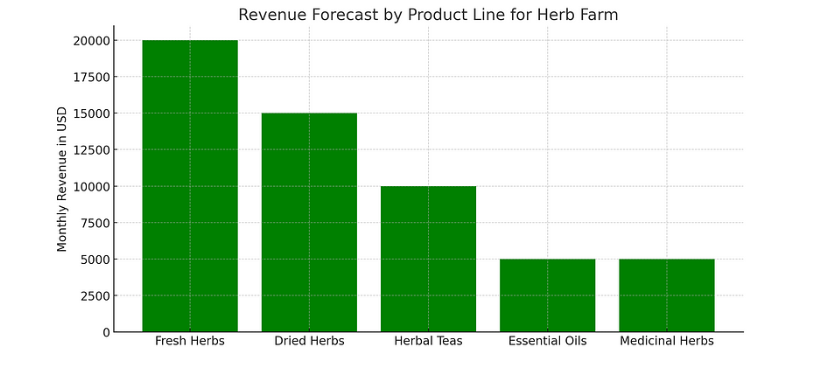
Once your herb garden business is established, you can explore strategies for scaling up. Expanding your growing area is the most obvious approach, but requires careful planning and investment. Consider adding new herb varieties to diversify your product line and cater to a wider range of customers. Diversifying your product line beyond fresh herbs can also increase revenue—think teas, tinctures, dried herb blends, or infused oils.
Hiring employees can free up your time to focus on marketing and business development. However, it also adds labor costs and management responsibilities. Branding and marketing become even more important as you grow. Develop a strong brand identity and invest in marketing efforts to reach new customers. Consider attending trade shows or partnering with other businesses.
Explore opportunities for vertical integration. Could you grow your own seedlings instead of buying them from a supplier? Could you process your own herbs into value-added products? Vertical integration can increase your control over the supply chain and improve your profit margins. Maintaining a focus on quality and customer satisfaction is essential for long-term success.
Don't be afraid to experiment and adapt. The herb market is constantly evolving. Stay informed about new trends and technologies, and be willing to adjust your business plan as needed. A flexible and adaptable approach will increase your chances of long-term sustainability.


No comments yet. Be the first to share your thoughts!