
How to start a profitable herb business
Starting a profitable herb business requires balancing space, timing, budget, skill level, and maintenance against real-world constraints. Define your primary limitation first, as this will dictate your crop selection and scale. Keep initial plans simple enough to verify, comparing options against concrete criteria to remove choices that only succeed in ideal conditions.
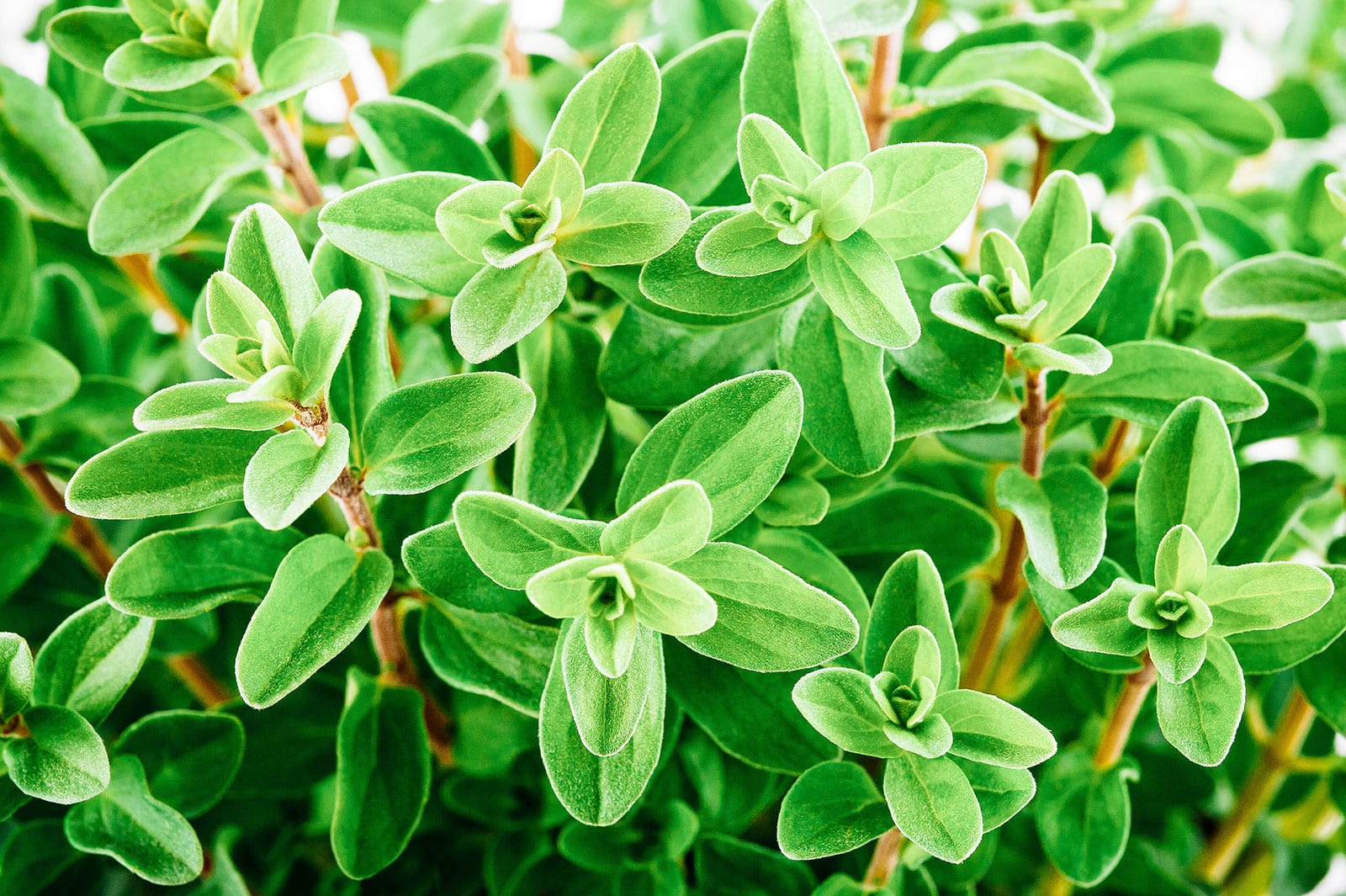
Name the space, budget, timing, or skill limit that shapes your business decision. For example, a small balcony limits you to container-friendly annuals, while a large yard allows for perennial beds. Calculate your fixed costs, including soil amendments, irrigation setup, and packaging materials, before selecting crops.
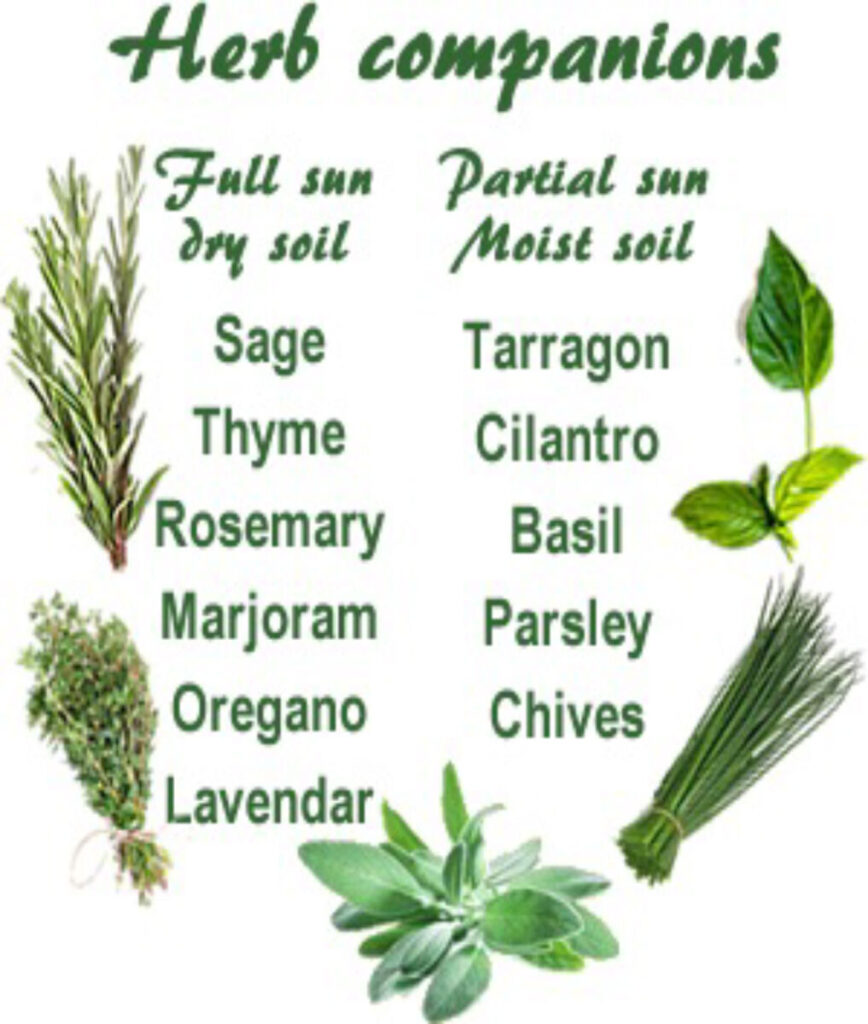
Use the same criteria for each option so the tradeoff is visible. Compare high-yield crops against those with higher market value per square foot to find the best fit for your resources. Consider lifecycle costs: basil requires frequent replanting, while rosemary lasts years but yields less frequently. Evaluate local competition to ensure you aren't flooding a saturated market.
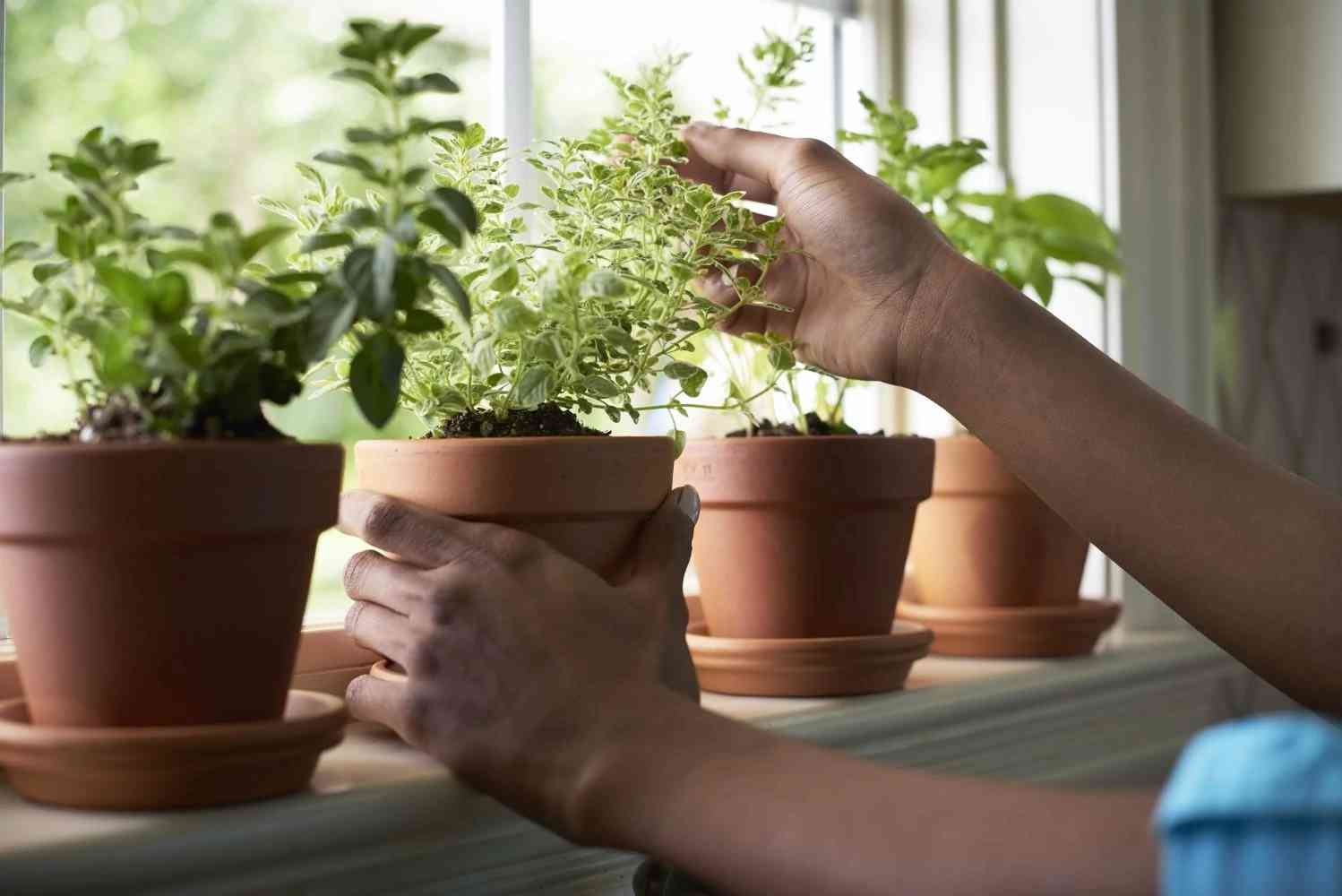
Pick the option that still works after cost, maintenance, and fallback needs are included. Prioritize crops with established local demand to reduce market risk. Build a phased rollout plan, starting with 2-3 varieties to test processing workflows and buyer relationships before expanding your portfolio.
Fix common mistakes
Starting an herb business often fails before the first harvest because growers confuse gardening with manufacturing. The most frequent error is selecting high-yield varieties without verifying market demand or processing requirements. A crop that thrives in your climate may be impossible to sell if local buyers prefer different species or if the herb requires specialized drying equipment you do not own.
Another critical mistake is ignoring local regulations. Many jurisdictions classify certain herbs as regulated agricultural products or require specific licenses for processing and sales. Operating without understanding these rules can lead to fines or forced shutdowns. Always check state and local laws regarding herb farming, labeling, and sales tax before planting.
Finally, underestimating post-harvest handling costs is common. Herbs are perishable and sensitive to light, heat, and humidity. Poor drying or storage techniques can ruin an entire harvest, turning potential revenue into waste. Invest in proper drying racks, dehydrators, or storage containers early to protect your product’s quality and shelf life. Factor in labor time for washing, trimming, and packaging, which often exceeds field work hours.
Talk to potential buyers like local restaurants, farmers' markets, or herbalists. Confirm they want the specific herb you plan to grow and understand their quality standards. Ask about their preferred packaging, delivery schedules, and price points to ensure your production model aligns with their purchasing habits.

Check with your state’s department of agriculture and local county offices. Identify any necessary permits for farming, processing, or selling herbal products to avoid legal issues. Understand zoning restrictions for home-based businesses and requirements for food safety certification if you are processing dried goods or extracts.
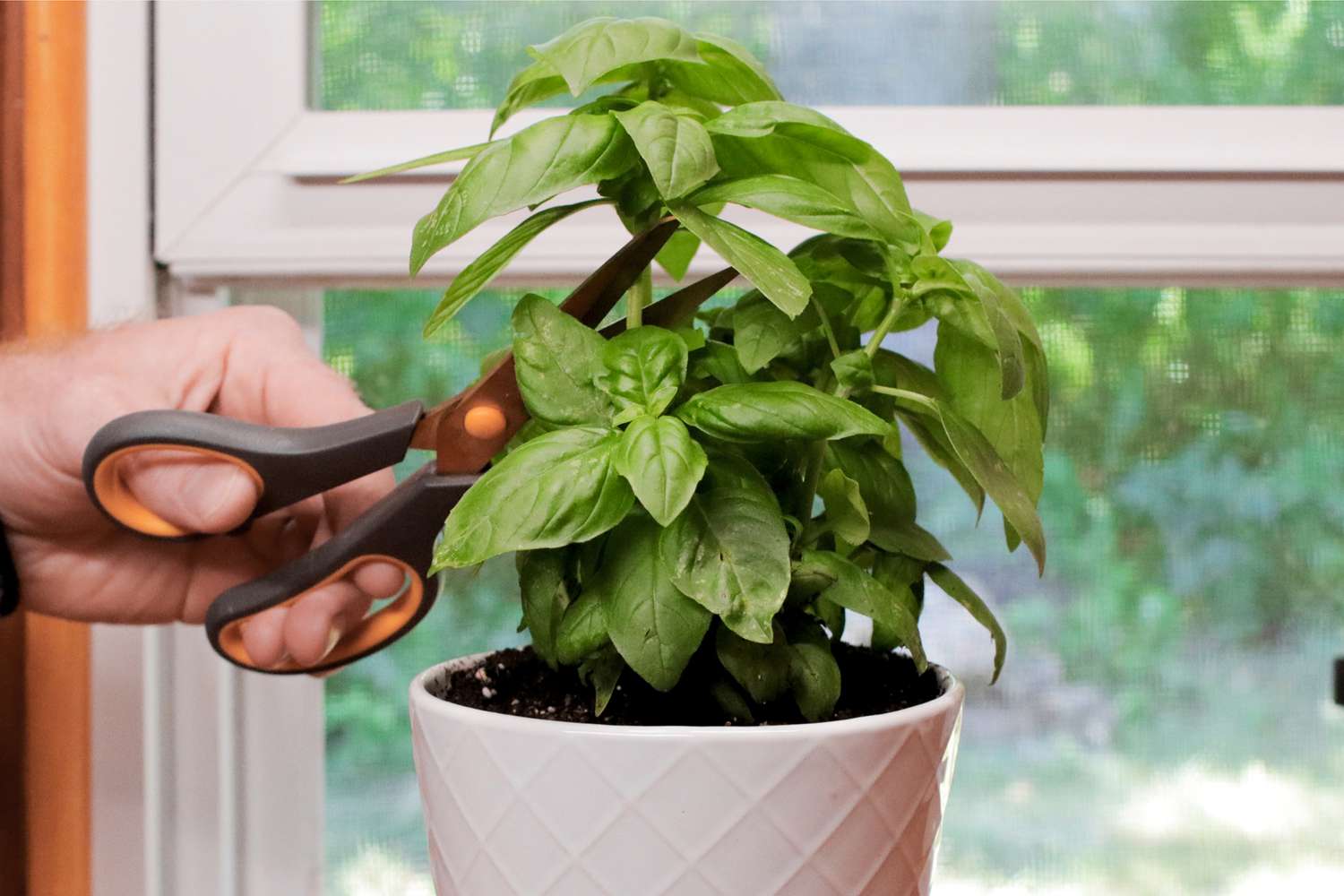
Purchase reliable drying racks, dehydrators, or storage containers. Proper handling preserves potency and flavor, preventing waste and ensuring your product meets buyer expectations. Test your drying methods on small batches to determine optimal temperature and airflow settings for each herb variety, ensuring consistent quality across harvests.
Start herb business: what to check next
Before you buy a single seedling or lease a plot, it helps to clear up the practical hurdles that stop most new growers. The herb trade is accessible, but it requires specific checks on regulations, product selection, and realistic income expectations.
No comments yet. Be the first to share your thoughts!