
Pick the highest value crops
Choosing the right herb determines your profit margin. While basil is popular, other varieties offer better returns for small-scale growers. We compare top contenders based on yield, labor, and market price to help you decide.
| Herb | Yield (lbs/season) | Labor | Price/Lb |
|---|---|---|---|
| Basil | 20-30 | High | $12-$18 |
| Cilantro | 15-20 | Medium | $8-$12 |
| Chives | 10-15 | Low | $10-$15 |
| Catnip | 25-35 | Low | $6-$10 |
Basil commands premium prices, especially in summer, but it is temperamental. It bolts in heat and requires careful watering, increasing labor costs. If you can manage temperature and harvest frequently, it pays best.
Cilantro offers fast turnover. Plant every few weeks for continuous harvests and steady cash flow. It is less labor-intensive than basil but has a lower price per pound. Chives and catnip are low-maintenance, perennial options that fill space with minimal effort.
Look beyond the kitchen. Medicinal herbs like nettle and yarrow sell well to herbalists and tea blenders. They don’t compete with grocery store basil and can be dried for higher margins. Start with one high-value crop like basil, then diversify with easier options like chives to balance your workload.
Set up your growing infrastructure
Commercial herb production requires controlling light, water, and space to maximize yield per square foot. Whether using a garage, shed, or greenhouse, create a consistent, repeatable system.
Group plants with similar needs together. Rosemary, oregano, and thyme prefer drier conditions. Basil and parsley thrive with consistent moisture. This grouping simplifies watering and reduces labor time.
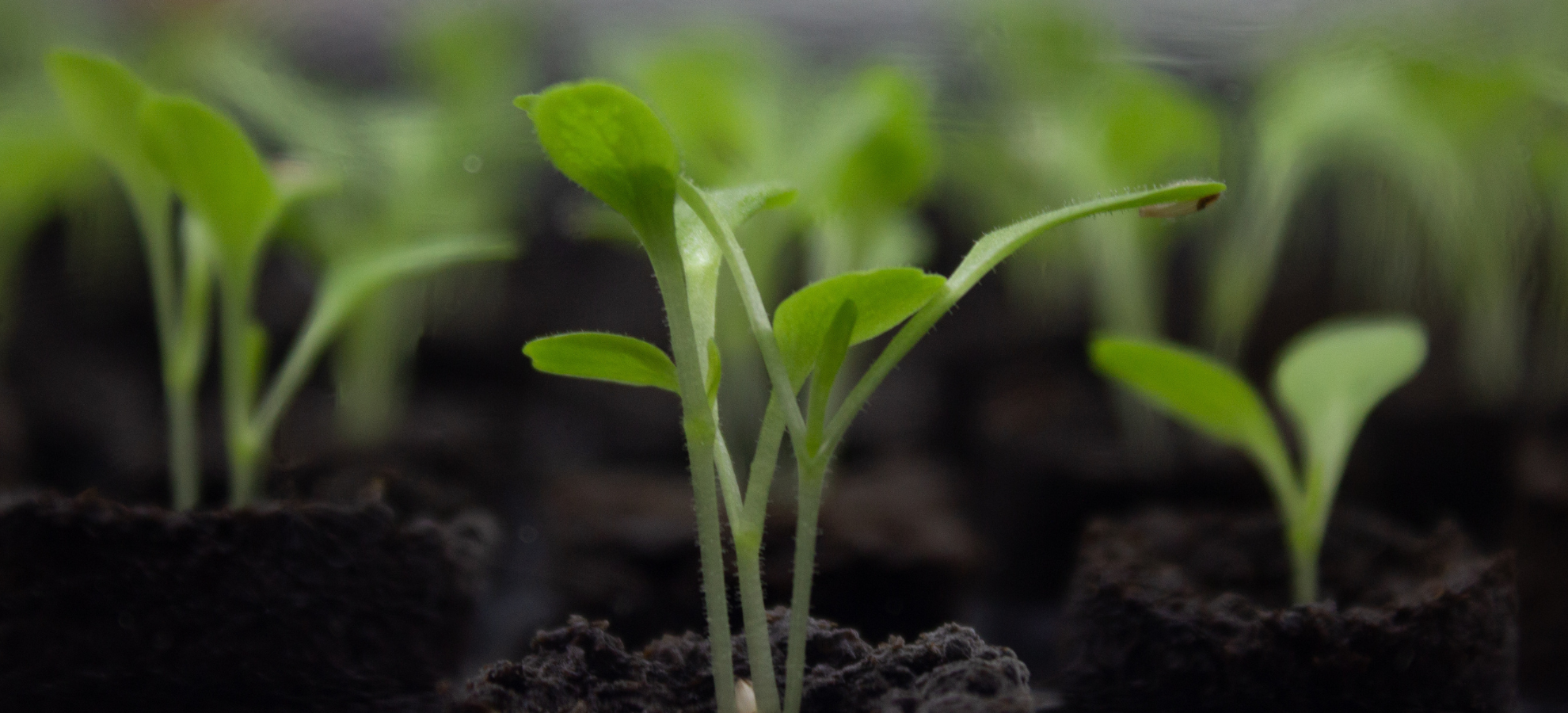
Start with a clean, sterile medium. Peat moss plugs or rockwool cubes are excellent for starting seeds because they provide consistent moisture and aeration. If growing in soil, use a high-quality, pasteurized potting mix free of weeds and pathogens. Avoid garden soil, which can compact and harbor pests in a container setting. Label every tray with the herb variety and planting date to track growth cycles.
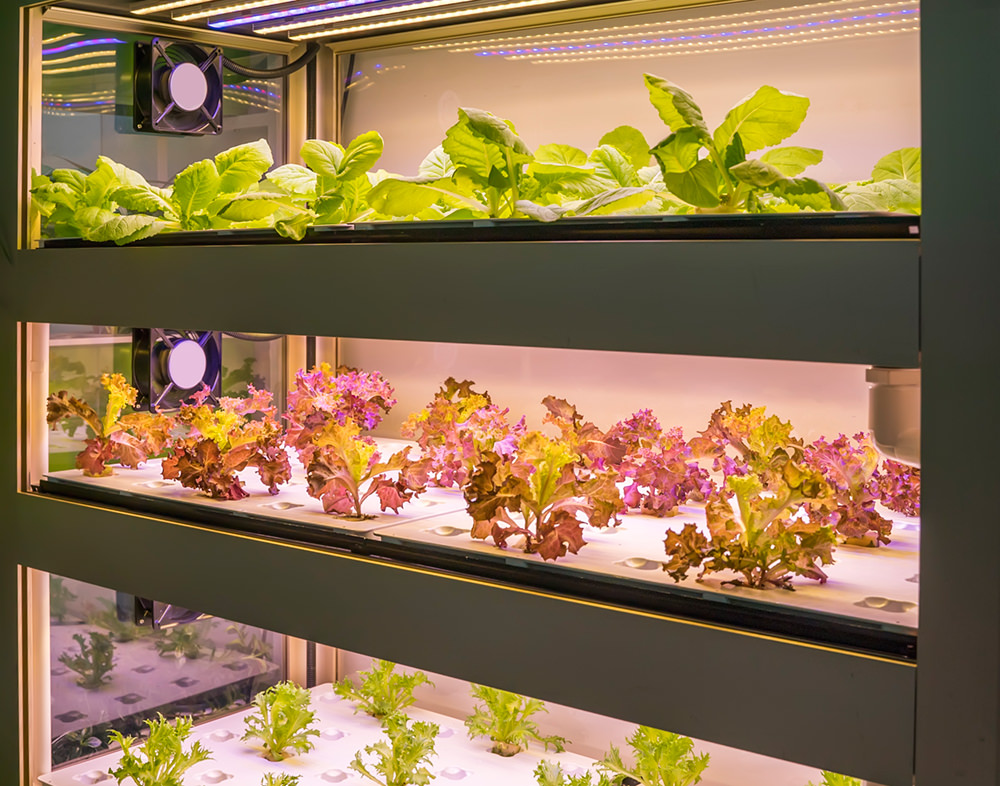
Light is critical for indoor or greenhouse production. For leafy herbs like basil and cilantro, LED grow lights are efficient, offering a full spectrum without excessive heat. Hang lights 6-12 inches above the canopy, adjusting as plants grow. Use a light meter to ensure plants receive at least 10,000-15,000 lux. Consistent light cycles (12-16 hours on, 8-12 hours off) prevent bolting and encourage dense growth.
Manual watering is inefficient for commercial volume. A simple drip irrigation system or self-watering containers ensure every plant gets the exact amount of water needed. This reduces labor and prevents overwatering, the number one killer of herbs. Install a timer on your water pump. For herbs like mint and basil, maintain consistent moisture; for woody herbs like rosemary, allow the medium to dry slightly between waterings.
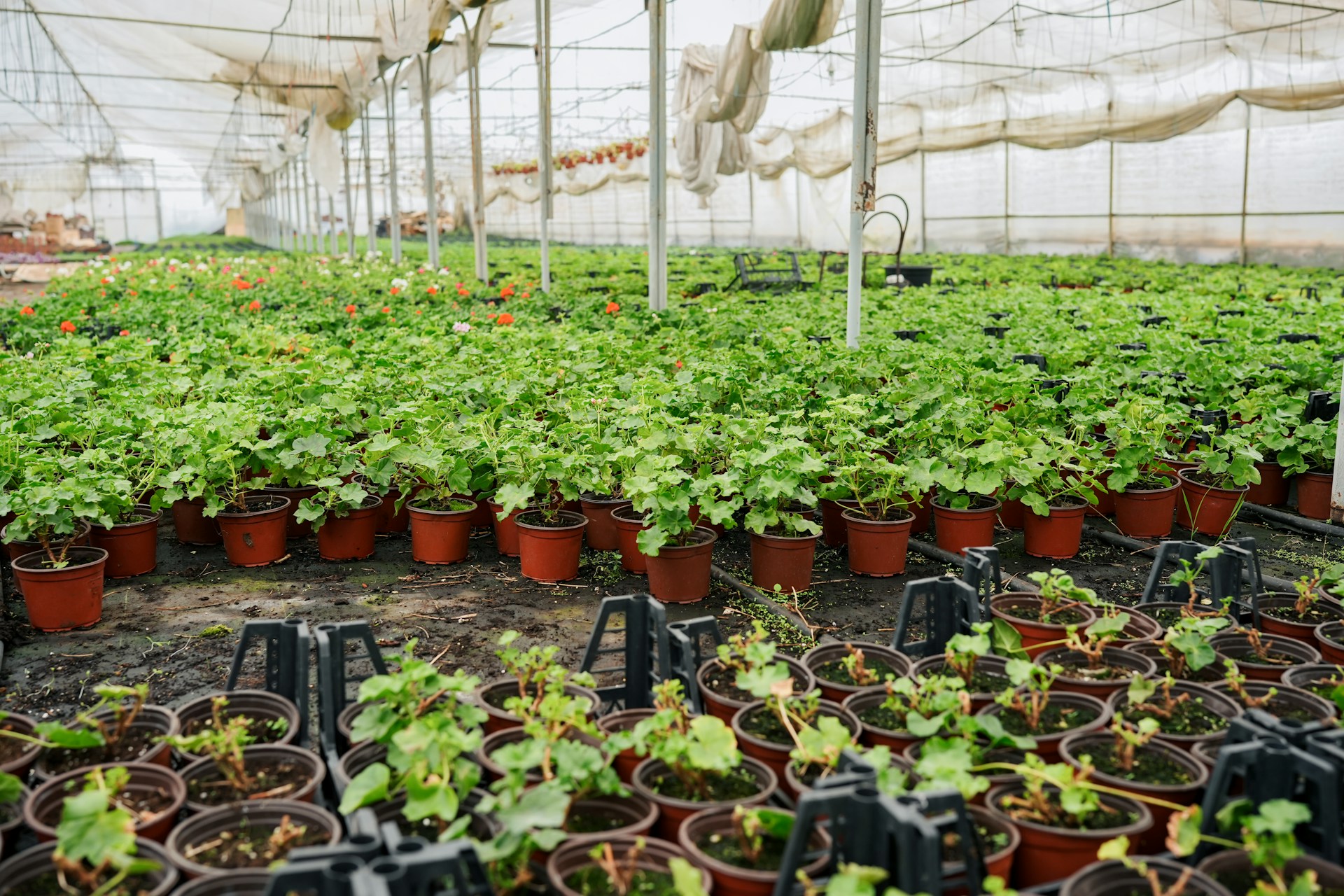
Design your space for workflow, not just plant density. Leave at least 2 feet of aisle width between rows for comfortable movement with a wheelbarrow or harvest basket. Use vertical space with shelving or trellises for taller herbs like fennel or tall basil varieties. This "vertical farming" approach doubles your growing area without expanding your footprint. Keep heavy supplies like fertilizer and soil on the ground floor, and place harvesting tools within arm's reach of your main workstations.
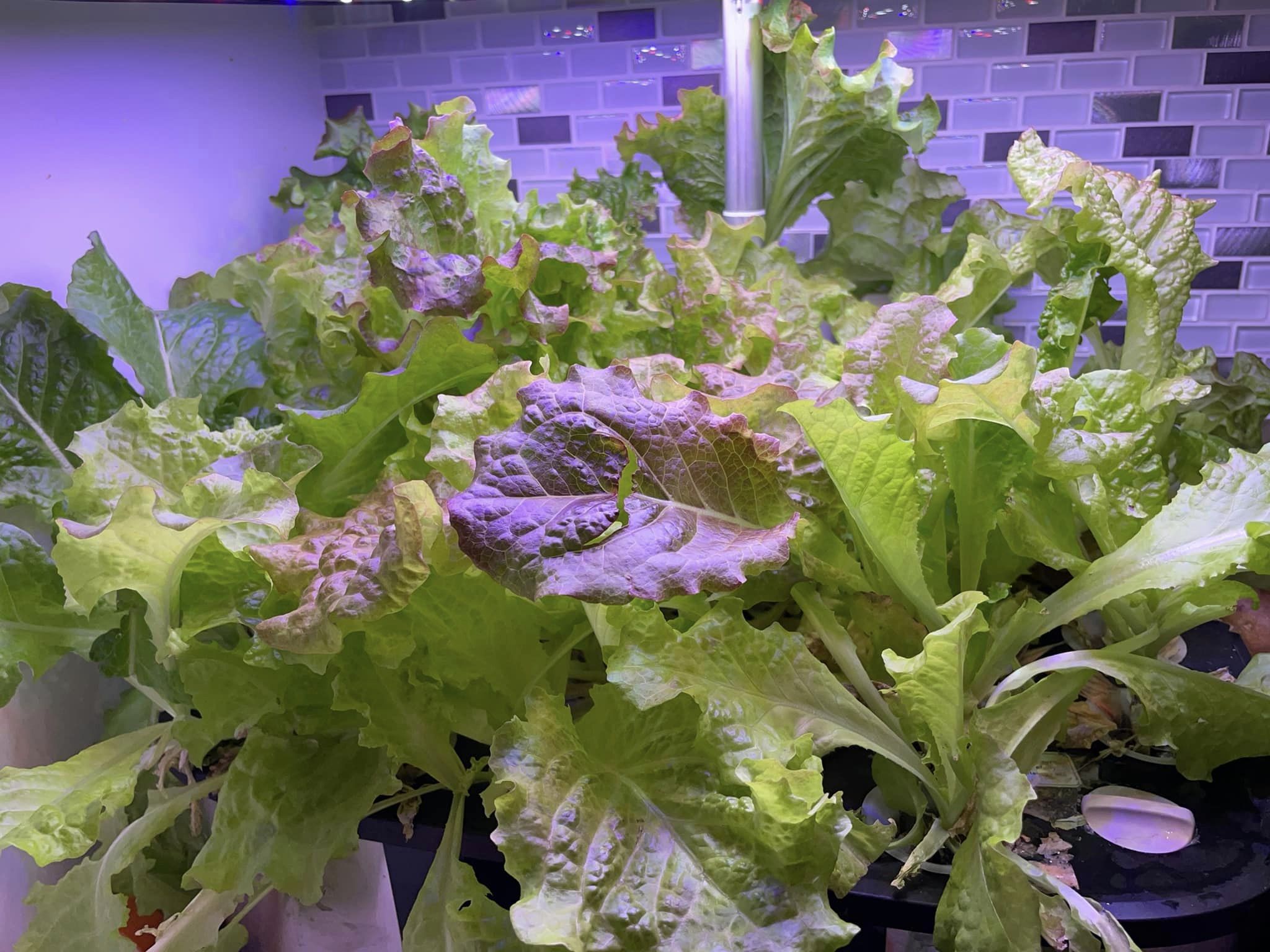
Herbs are sensitive to their microclimate. Most culinary herbs thrive in temperatures between 65°F and 75°F (18°C-24°C) with humidity levels around 40-60%. Use a simple digital hygrometer and thermometer to monitor these conditions. If your space gets too hot, use an exhaust fan or oscillating fan to circulate air and prevent mold. Good air circulation is just as important as light; it strengthens plant stems and reduces the risk of fungal diseases like powdery mildew.
Once your infrastructure is in place, begin planting. Keep a log of your watering schedules, light adjustments, and harvest dates. This data will help you refine your process and increase yields over time. Start small, master your system, and then scale up.
Harvest and Post-Harvest Care
The money you make on herbs is decided long before the buyer tastes them. It comes down to how gently you handle the crop from the moment you cut it until it reaches the market. Fresh herbs like sweet basil, cilantro, and chives are delicate. They lose flavor, color, and shelf life if they sit in the sun or get bruised during packing. Treating them like cut flowers rather than vegetables will keep your customers coming back.
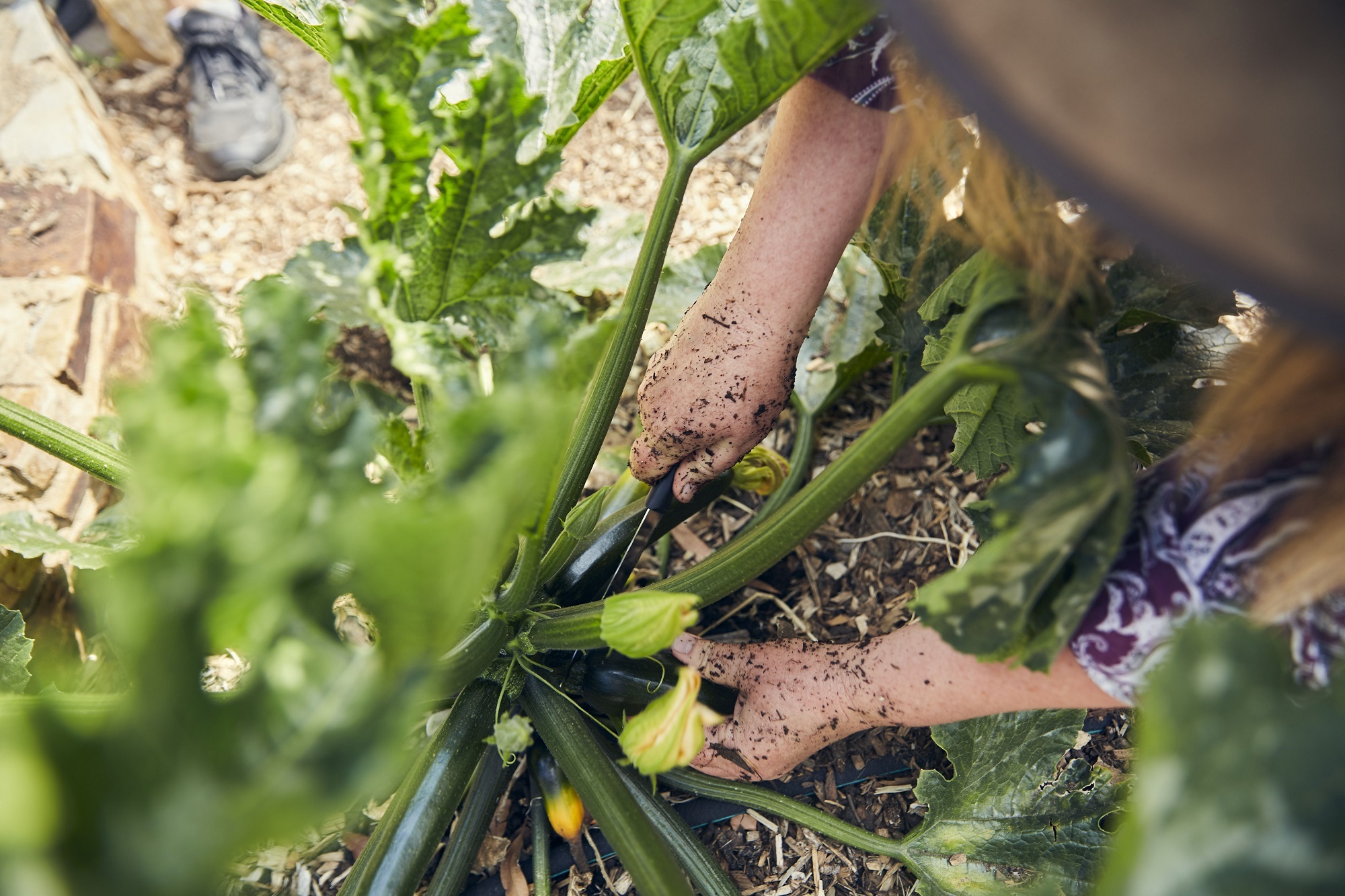
Start by harvesting early in the morning when the plants are fully hydrated and cool. Cut them with a clean, sharp tool to avoid crushing the stems. Immediately move the bundles into shade and cool water. This "field heat" removal step is the most important part of preserving quality. If you wait until noon to pack them, the herbs will wilt before they even leave your garage.
Rinse herbs in cold water to remove soil and insects. Use a salad spinner or lay them on towels to dry completely. Wet packaging causes rot, so ensure no moisture remains on the leaves before bundling.
Group herbs into consistent units, such as 2-ounce or 4-ounce bunches. Wrap them loosely in damp paper towels and place them in breathable plastic bags. This keeps the herbs crisp without suffocating them.
Store the bundled herbs in a refrigerator set between 34°F and 36°F. Keep them away from ethylene-producing fruits like apples. Properly stored, most culinary herbs will stay fresh for 7 to 10 days.
Packaging matters just as much as the harvest itself. Buyers judge freshness by how the herbs look in their bags. If they see yellow leaves or slimy stems, they won’t buy again. Use clear, breathable packaging that shows the product but protects it from crushing. Label your bundles with the harvest date so you can track quality and manage inventory rotation.
Find buyers and scale sales
Growing the herbs is only half the work; the other half is getting them into the hands of people who will pay for quality. The transition from hobbyist to small-scale commercial grower requires a shift in mindset: you are no longer just a gardener, you are a producer. Your goal is to build a reliable sales loop that matches your harvest volume with consistent demand.
Start with the most immediate market: local farmers markets. This is where you can test pricing and build a loyal customer base without the overhead of wholesale contracts. Bring fresh, vibrant bundles of high-demand herbs like basil, cilantro, and parsley. These soft herbs have high turnover and low waste if kept cool. A simple pre-market checklist ensures you don’t leave home without the essentials.
-
Pack ice or a cooler to keep herbs crisp
-
Bring a variety of bundle sizes (small, medium, large)
-
Have change or a mobile payment system ready
-
Display herbs in clean, branded packaging
Once you have a steady rhythm at the market, look toward wholesale. Local restaurants often pay a premium for fresh, locally sourced herbs because it reduces their food waste and supports their "farm-to-table" narrative. Chefs prefer small, frequent deliveries over large, occasional ones. Focus on herbs that are expensive to buy in stores but cheap to grow, such as chives, thyme, and oregano.
For larger scale opportunities, consider contracts with local grocery stores or co-ops. These buyers require consistent volume and specific certifications, so start building your production capacity early. If you are looking for high-value niche markets, consider growing saffron or specialty basil varieties that command higher prices per pound. Remember, the most profitable herbs are those that are in high demand locally and easy for you to grow reliably.
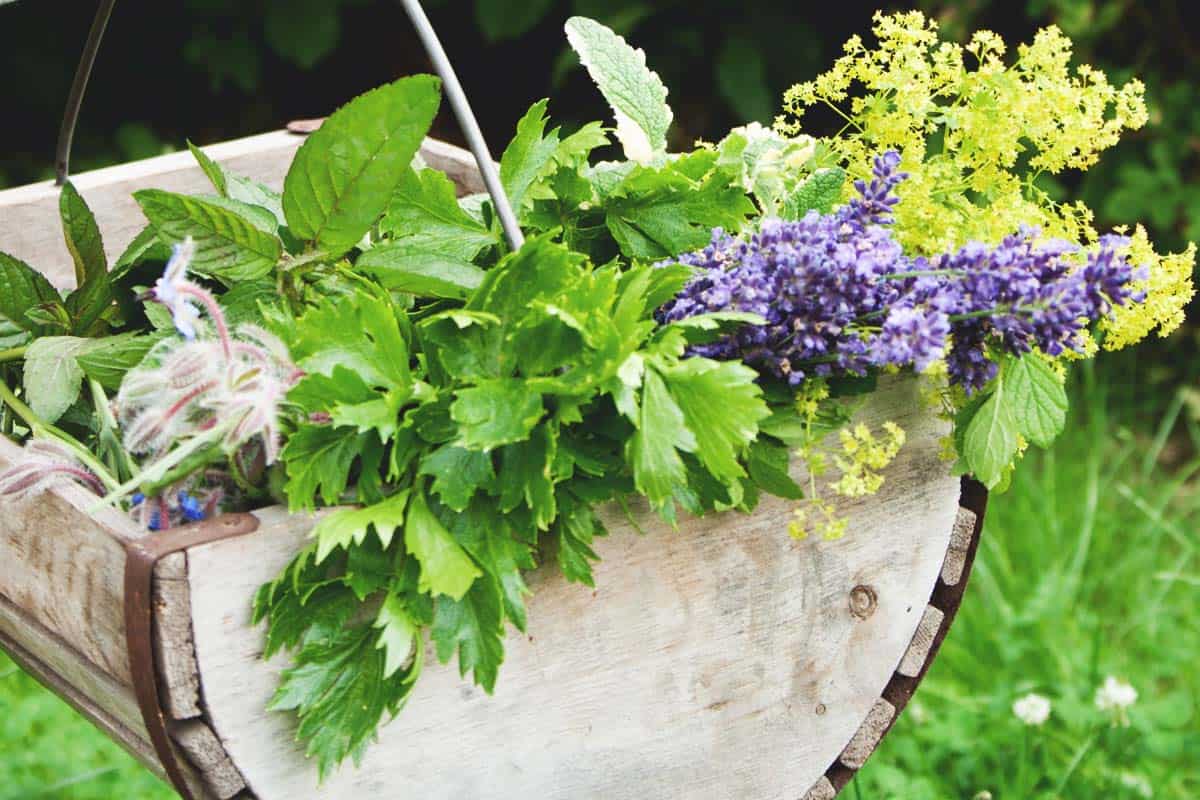
Visit your local farmers market to see what herbs are selling out quickly and what customers are asking for. Talk to other vendors about their bestsellers.
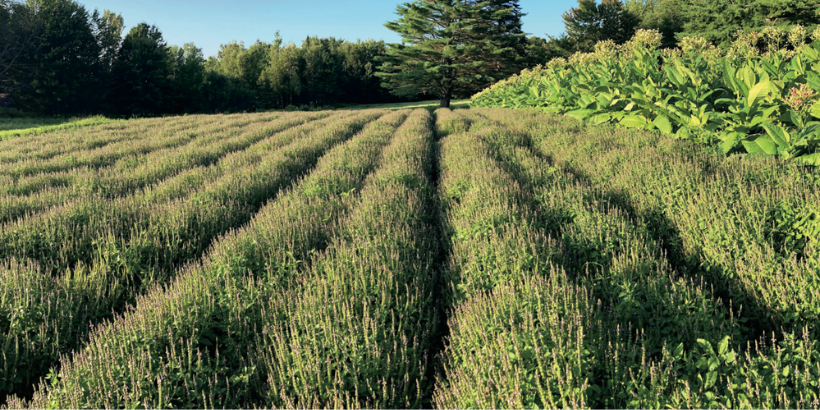
Drop off small samples to 5-10 local restaurants. Ask for their feedback and see if they are interested in a weekly delivery schedule.
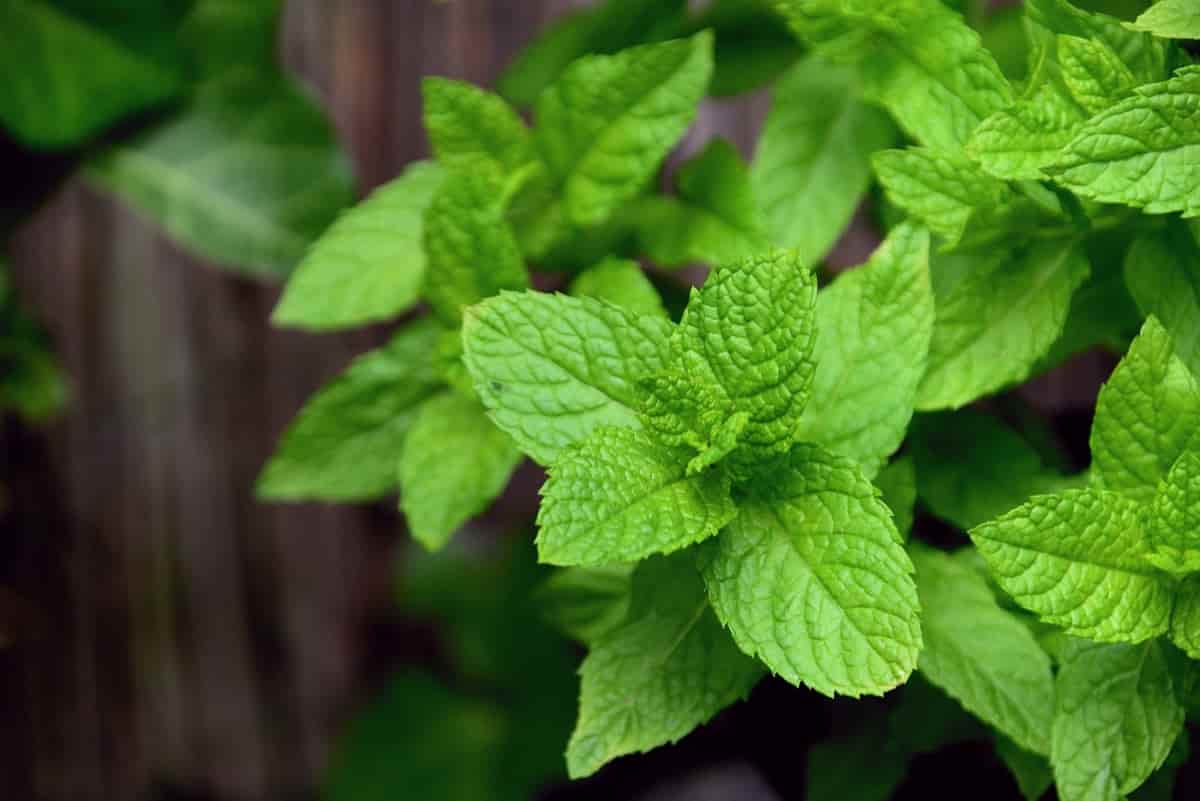
Expand your growing space to meet the consistent volume requirements of wholesale buyers. Focus on herbs with high turnover like basil and cilantro.
Common herb farming mistakes
Starting an herb farm feels like planting a garden, but the economics behave differently. New growers often treat herbs like ornamental flowers, planting whatever looks pretty without checking the market price per pound. This disconnect is the fastest way to burn through capital.
The most frequent error is overplanting low-value crops. Basil and chives command premium prices because they spoil quickly and are hard to ship long distances. In contrast, growing large quantities of dried oregano or thyme when local supply is already saturated leads to unsold inventory. You might fill a greenhouse, but if the buyer has nowhere to sell it, the crop is a liability, not an asset.
Soil health is another hidden cost. Herbs are often grown in high densities to maximize yield per square foot. This intensity drains nutrients and increases humidity, creating a perfect environment for root rot. If you skip soil testing and rely on generic fertilizer, you will spend more on inputs than you make in sales. Healthy soil is the difference between a quick turnover and a failed harvest.
Success comes from balancing what grows well with what sells well. Keep detailed records of your costs and compare them against local market rates. If a crop isn't turning a profit within two seasons, pivot to a higher-value variety before expanding further.
No comments yet. Be the first to share your thoughts!