
Choose High-Demand Herbs
Selecting the right crops is the first step toward commercial viability. Not all herbs generate equal revenue; some command premium prices due to high consumer demand and rapid growth cycles, while others require significant labor for minimal return. Focus on varieties that balance market demand with your local climate and infrastructure capabilities.
Fresh-market herbs like sweet basil, cilantro, and flat-leaf parsley are staples in restaurants and grocery stores. These crops have short turnover times, allowing for multiple harvests per season. In contrast, perennial herbs like rosemary, oregano, and thyme offer lower maintenance once established but often yield lower per-square-foot revenue unless processed into dried products or value-added goods.
| Herb Variety | Water Needs | Growth Cycle | Market Price Point |
|---|---|---|---|
| Sweet Basil | High | 6-8 weeks | High |
| Cilantro | High | 6-8 weeks | Medium |
| Rosemary | Low | Perennial | Low-Medium |
| Thyme | Low | Perennial | Medium |
| Parsley | Medium | 7-10 weeks | Medium |
| Chives | Low | Perennial | High |
Start by grouping plants with similar water and sun requirements. Pairing drought-tolerant herbs like rosemary with water-intensive crops like basil complicates irrigation management and increases operational costs. Use the data above to plan your initial planting beds, ensuring you allocate space for the highest-margin crops first. For detailed regional growing advice, consult local agricultural extension services or seed libraries that specialize in commercial herb production.
Set up growing infrastructure
Commercial herb production requires infrastructure that balances capital expenditure with operational efficiency. The goal is to minimize labor costs per unit while maximizing yield consistency. Start by selecting high-demand crops that match your local market and climate, then build a growing system that scales without becoming unmanageable.
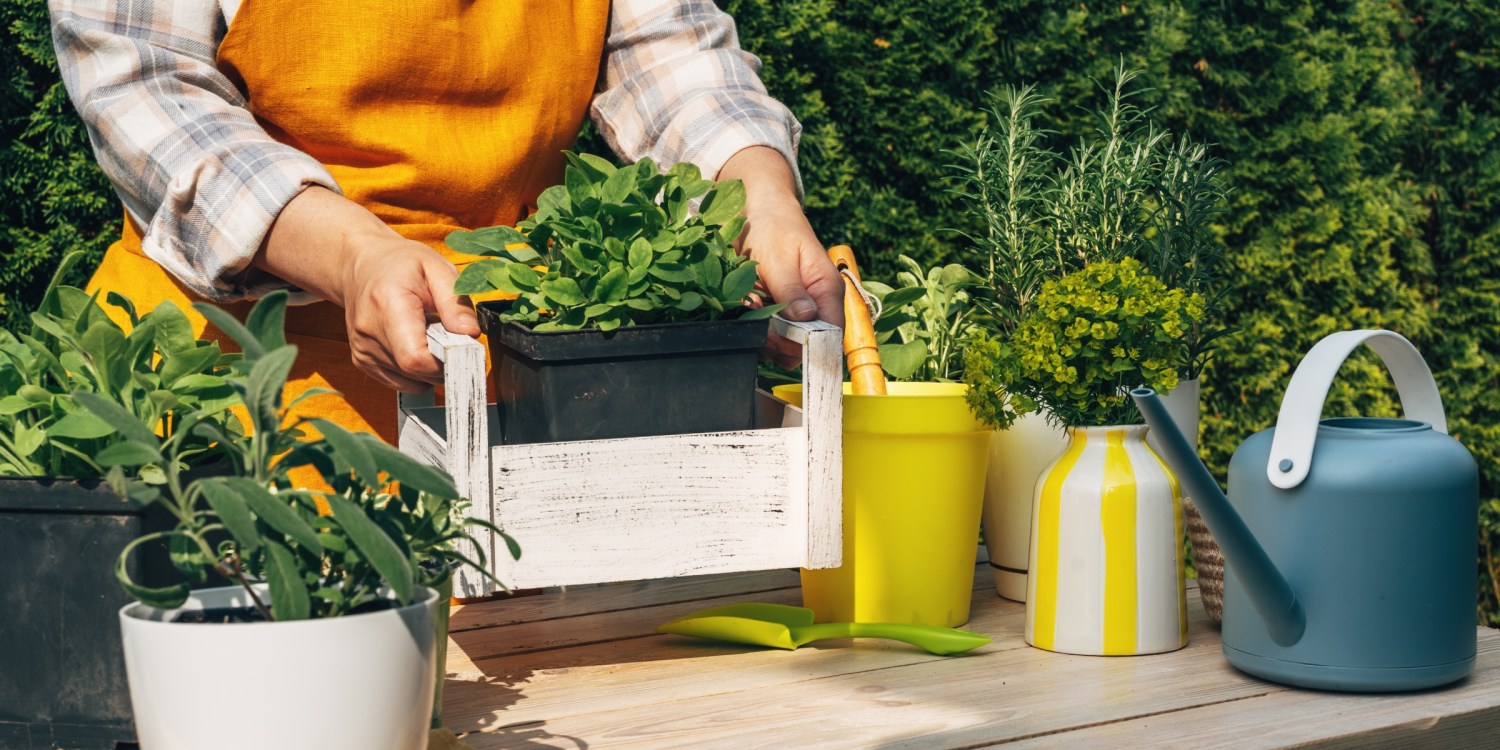
Focus on herbs with rapid turnover and strong market demand. Fresh-market varieties like sweet basil, cilantro, and flat-leaf parsley typically offer the best return on investment for new commercial growers. Choose varieties that are resistant to common local diseases to reduce loss rates. Consult resources from university extensions, such as North Carolina State University's guide on growing herbs as a cash crop, to identify varieties suited to your specific region.
Efficiency comes from grouping plants with similar environmental requirements. Combine drought-tolerant Mediterranean herbs like rosemary, oregano, and thyme in one zone. Place water-loving herbs like basil, parsley, and salad mixes in another. This zoning allows you to optimize irrigation schedules and lighting, preventing overwatering or nutrient runoff that wastes resources and increases labor.
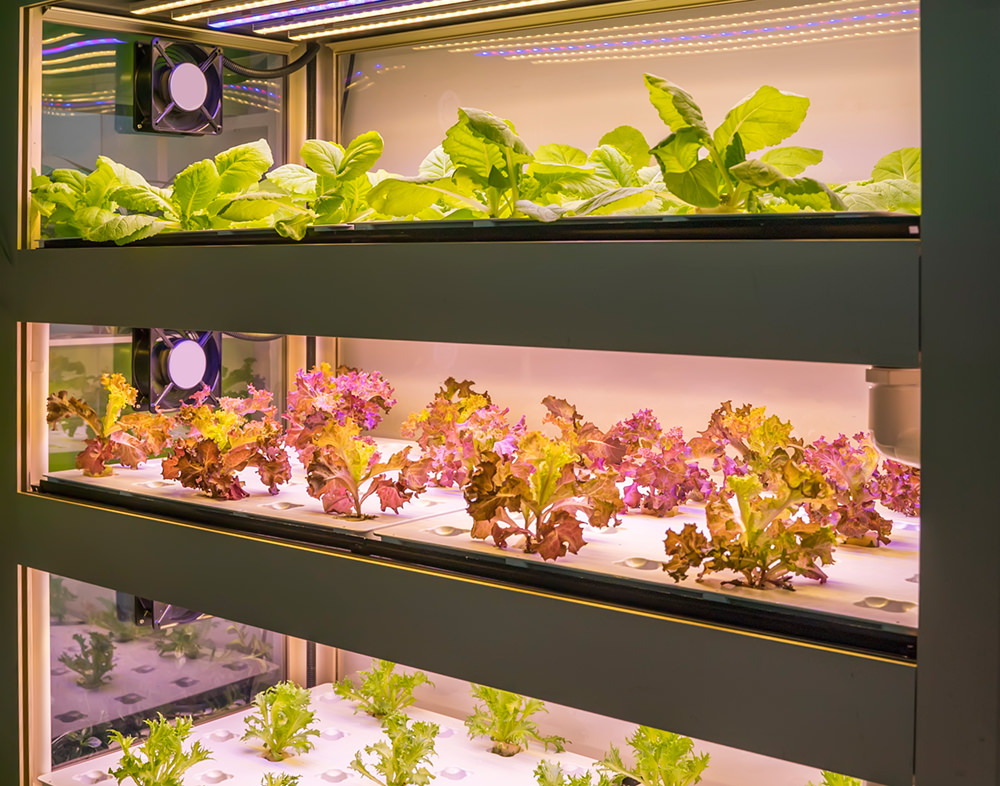
For year-round production, consider hydroponic or vertical farming systems. These methods use less water and land than traditional soil farming while delivering higher yields per square foot. If starting outdoors, use raised beds with drip irrigation to control water delivery precisely. Ensure your infrastructure allows for easy access for harvesting and maintenance to keep labor costs low.

Consistent temperature and light are critical for quality. In greenhouses or indoor setups, install automated ventilation and shading systems to prevent heat stress. For indoor operations, use full-spectrum LED lights tuned to the photosynthetic needs of herbs. Monitor humidity levels to prevent mold, which can destroy an entire crop in days. Reliable climate control ensures uniform growth and reduces the need for manual adjustments.
Set up a dedicated area for washing, drying, or packaging immediately after harvest. Fresh herbs lose value quickly; speed is essential. Use clean, food-grade containers and maintain cold chain integrity from harvest to sale. Train staff on proper handling techniques to minimize bruising and waste. Efficient post-harvest processing extends shelf life and ensures customers receive premium product.
Building this infrastructure takes upfront planning, but it pays off in reduced operational friction. By grouping crops logically and automating environmental controls, you create a system that runs smoothly even as you scale. Focus on consistency in your growing process to build a reputation for quality with buyers.
Manage crop cycles and yield
Commercial herb farming relies on rhythm, not randomness. You are managing living inventory that changes daily. A successful operation treats planting, maintenance, and harvest as a continuous loop, not isolated events. This section outlines the operational sequence for maximizing yield and maintaining quality.
Group crops by irrigation requirements to simplify management. Pair drought-tolerant herbs like rosemary, oregano, and thyme together. Separate them from water-loving varieties like basil, parsley, and salad greens. This prevents overwatering sensitive plants and underwatering resilient ones, reducing labor and waste.
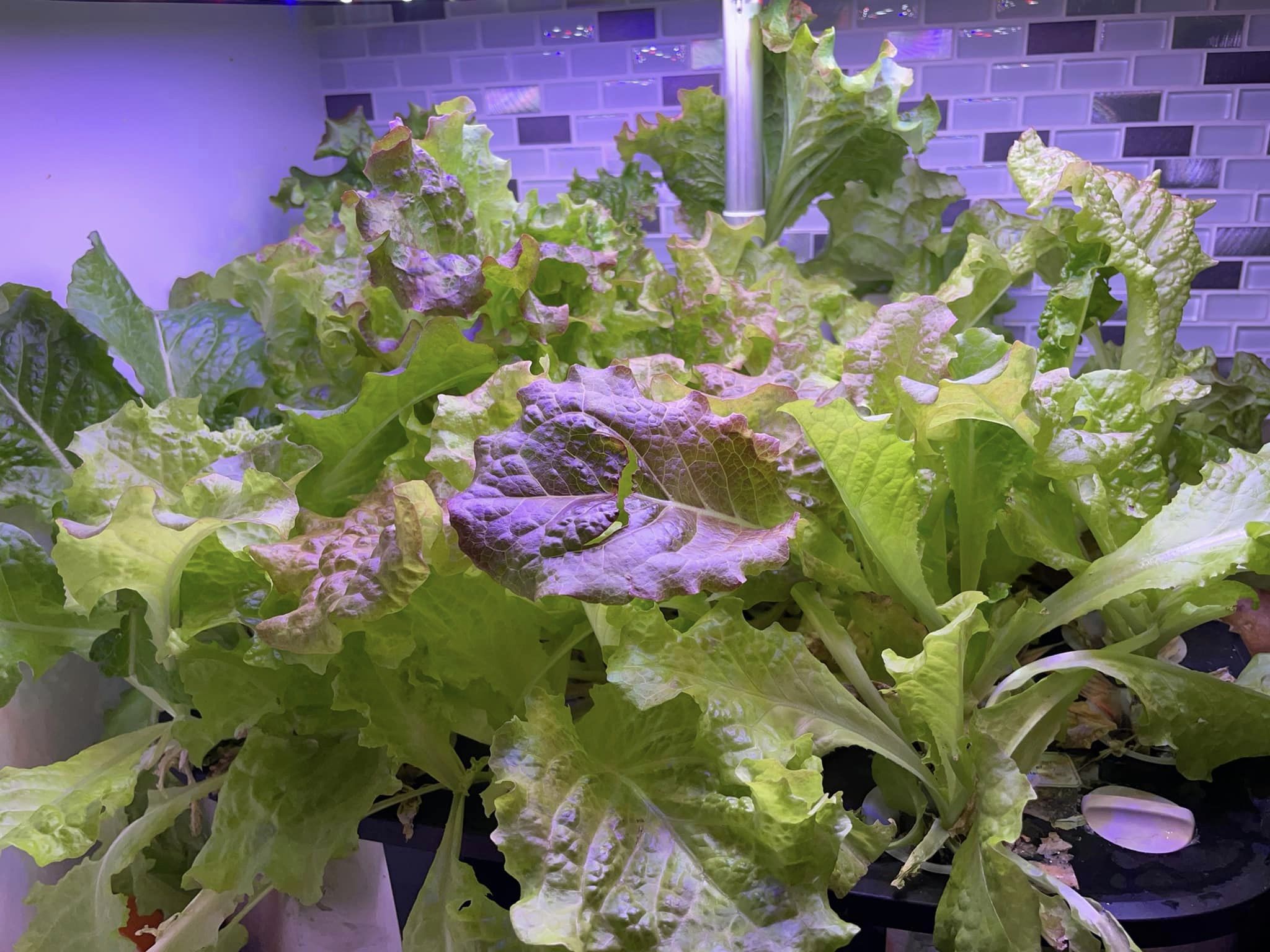
Implement a succession planting schedule. Instead of planting your entire inventory at once, sow small batches every two to three weeks. This ensures a continuous harvest window rather than a single flood of product that can overwhelm your sales channels. It also smooths out your cash flow and keeps your market presence consistent.
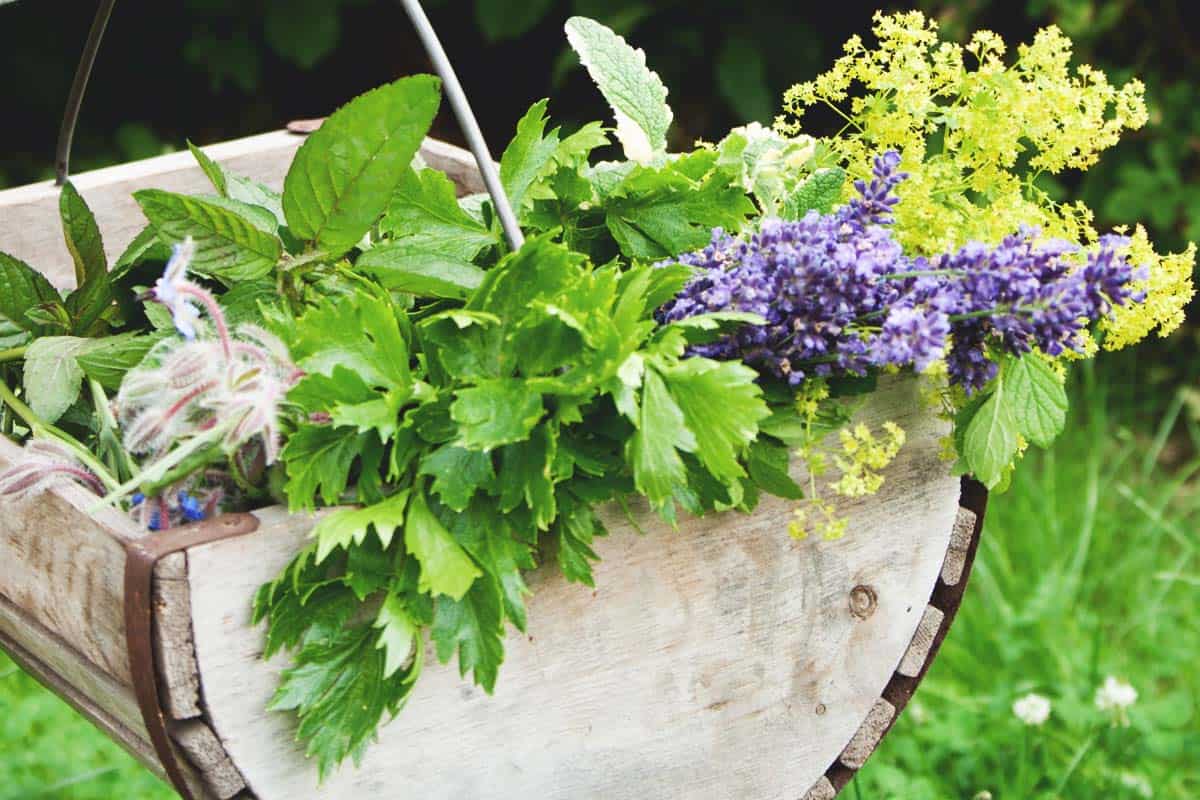
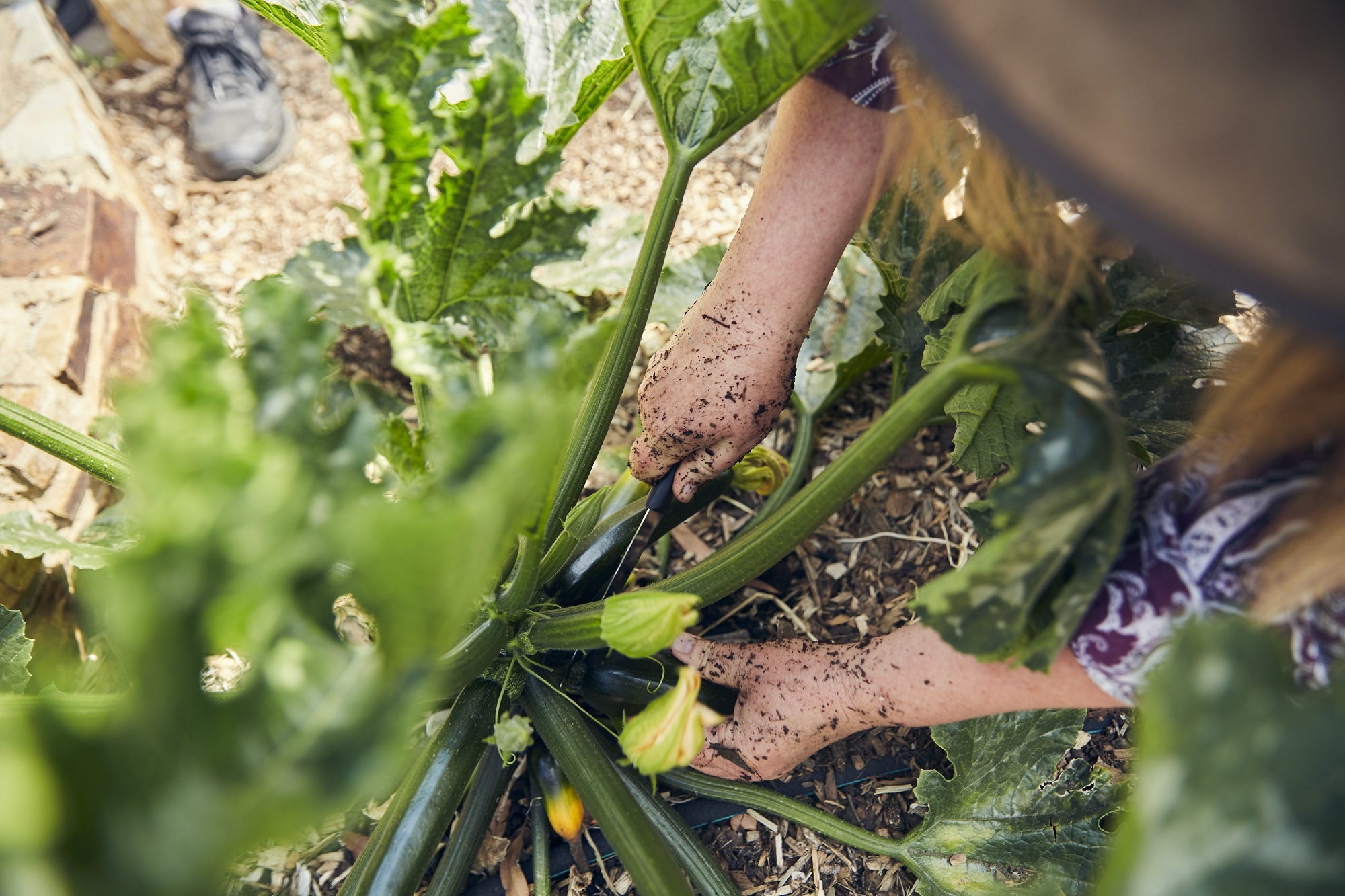
Harvest herbs when their essential oil concentration is highest. For leafy herbs, this is typically just before flowering. Cut stems in the early morning after dew has dried but before the midday heat dissipates oils. Use clean, sharp tools to avoid crushing stems, which accelerates wilting and reduces shelf life.
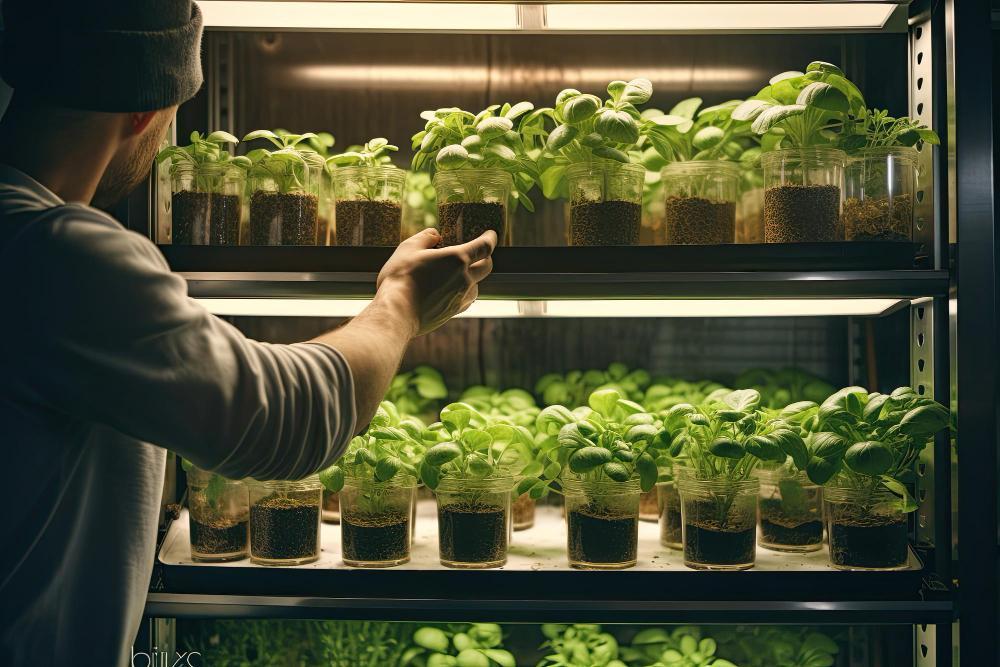
Move harvested crops to processing within hours. Wash, dry, or bundle according to your sales format. For fresh sales, cold storage at 34-36°F (1-2°C) extends freshness. For dried products, use dehydrators at low temperatures to preserve color and flavor. Speed is critical; every hour in transit or storage reduces final market value.
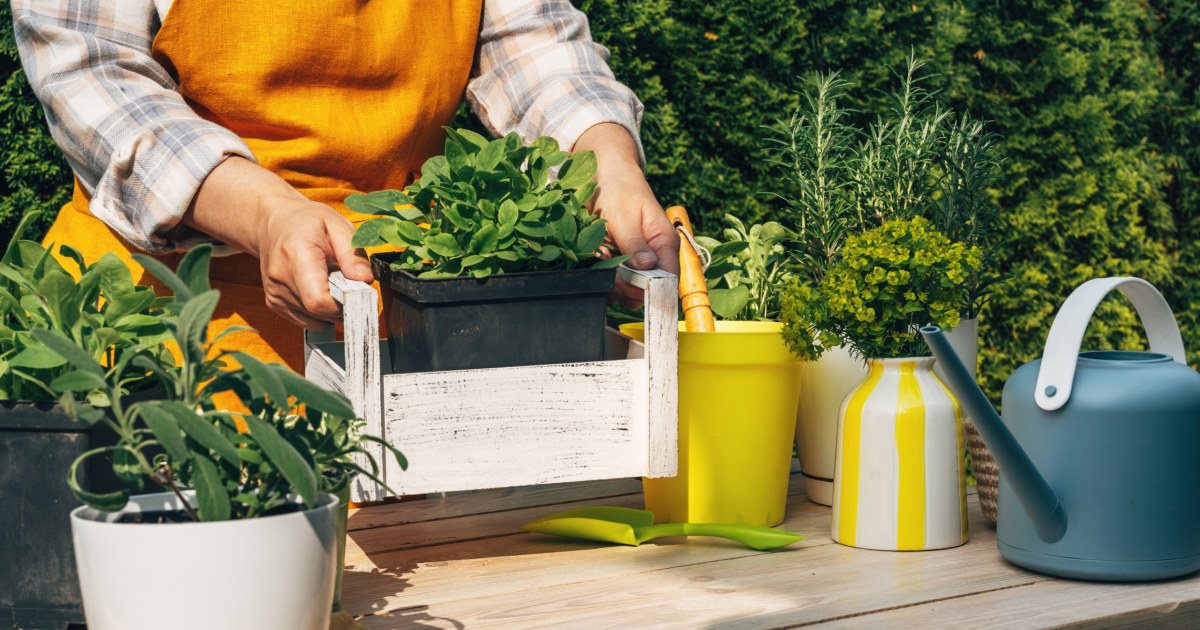
Inspect crops weekly for pests or disease. Remove any compromised plants immediately to prevent spread. Rotate crop families in your growing beds to maintain soil health and prevent nutrient depletion. Regular monitoring allows you to adjust watering and feeding schedules before small issues become yield-destroying problems.
Execute sales and distribution
Moving herbs from the field to the buyer requires matching your product’s shelf life to the right channel. High-moisture culinary herbs like basil and cilantro demand speed, while dried medicinal herbs like nettle or yarrow can withstand longer supply chains. Your distribution strategy should prioritize speed for fresh cuts and volume for dried goods.
Farmers markets and local retailers
Direct-to-consumer sales at farmers markets offer the highest margins but require significant labor for setup and customer service. This channel works best for high-turnover items like basil, chives, and cilantro, which customers recognize and buy on sight. Pair these with slightly longer-lasting options like chives or mint to ensure consistent daily sales.
Local grocery stores and restaurants provide a more stable revenue stream but operate on tighter margins and stricter delivery schedules. Building relationships with chefs who value fresh, local ingredients can lead to recurring wholesale contracts. Focus on reliability and consistent quality over volume when approaching local buyers.
Wholesale and online channels
For dried herbs and medicinal plants like yarrow, mullein, and burdock, wholesale distribution to health food stores or online retailers is often more profitable than fresh sales. These products have a longer shelf life, allowing you to aggregate inventory and ship in bulk. This approach reduces the daily logistical burden of fresh produce distribution.
Online sales via your own website or platforms like Etsy allow you to reach a broader market for niche or medicinal herbs. Ensure your packaging protects the product from moisture and light to maintain potency. This channel is ideal for building a brand around specific medicinal properties or organic certification.
Pricing and record keeping
Profitability depends on accurate cost tracking. Include seeds, labor, water, and packaging in your calculations. Herbs like catnip and basil typically yield higher profit margins per square foot than slower-growing varieties. Keep detailed records of yield per batch to refine your pricing and crop planning for the next season.
Plan your herb business launch
Before opening your doors, verify that your operational backbone supports commercial volume. This checklist ensures you have secured the necessary permits, equipment, and crop cycles to hit your first sale date without interruption.
Pre-launch readiness
- Legal compliance: Register your business entity and obtain a local business license. If you are processing or packaging herbs for retail, verify cottage food laws or commercial kitchen requirements in your jurisdiction.
- Infrastructure check: Test all irrigation timers, grow lights, and ventilation systems. Ensure your drying racks or dehydrators are calibrated for consistent moisture removal to prevent mold during the first harvest.
- Crop scheduling: Align your planting dates with your target launch window. Choose fast-turnover varieties like basil or cilantro for initial cash flow, while maintaining slower-growing perennial stock for long-term stability.
- Sales channels: Set up your point-of-sale system and finalize packaging labels. Confirm your first buyers (farmers markets, local restaurants, or online store) are ready for your initial volume.
Final verification
Run a mock harvest and packaging cycle. This reveals bottlenecks in labeling, weighing, or storage that only appear during actual production. Review your financial projections against the cost of goods sold for your first batch to ensure your pricing model holds up under real-world conditions.
No comments yet. Be the first to share your thoughts!