
Herb Garden Businesses: A Growing Market
Demand for culinary, medicinal, and cosmetic herbs is growing. University of Idaho research shows a wide range of herbal products now in use, from supplements and cosmetics to aromatherapy.
Consumers increasingly prefer natural and locally sourced products, driving demand for high-quality herbs. This creates an opportunity for entrepreneurs.
The herbal product market is expanding as consumers seek natural alternatives to processed foods and traditional medicines. Awareness of health benefits and a desire for sustainable goods fuel this growth.
The popularity of functional foods and beverages, along with the 'farm-to-table' movement, supports profitable herb garden businesses. Success means connecting with conscious consumers.
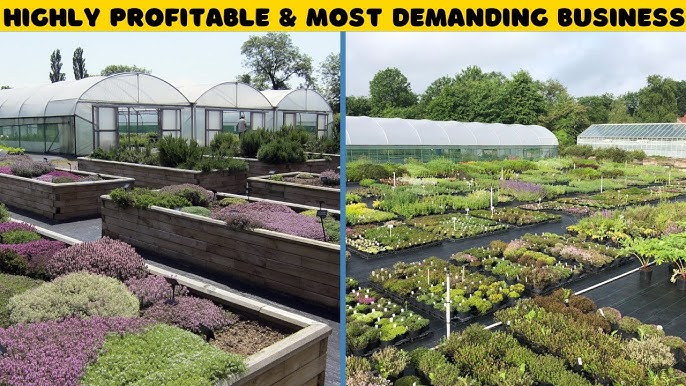
Defining Your Herb Business Model
Choosing the right business model is a first step. Direct sales through farmers markets or roadside stands offer high profit margins but demand significant time.
Wholesale to restaurants and stores provides consistent income at lower prices. Online sales expand reach but require marketing and shipping logistics. NC State Extension offers resources for growing herbs as a cash crop.
Community Supported Agriculture (CSA) models build loyalty but require consistent production and distribution. A hybrid approach, combining sales channels, is often sustainable. You could sell at a farmers market and supply local restaurants.
Startup costs vary by model. A roadside stand needs minimal investment, while an online store requires website development and marketing. Time commitment is also a factor; wholesale needs consistent supply, and direct sales require regular market attendance. Be realistic about your capacity.
- Direct Sales: Farmers markets, roadside stands – high margins, high time commitment.
- Wholesale: Restaurants, stores – lower margins, consistent income.
- Online Sales: Etsy, Shopify, website – expanded reach, marketing required.
- CSA: Customer loyalty, consistent production needed.
Startup Costs: From Seeds to Sales
Estimating startup costs is essential for financial planning. Seeds or starts are a primary expense, with organic herb seeds costing $5-$15 per packet. Soil costs range from $50-$200 per cubic yard, depending on whether you use raised beds or amend existing soil.
Containers can cost $5-$20+ each. Irrigation systems range from $50-$500+. Basic tools like trowels, pruners, and hoes cost $50-$150.
Fencing for pest control costs $100-$500. Marketing materials like business cards and signage cost $50-$200. Licenses and permits vary by location, costing $50-$500+ annually. Check with local authorities for specifics.
A greenhouse or cold frame can extend your growing season, costing $500-$5,000+. Packaging materials cost $20-$100. Permit costs depend on your location.
- Seeds/Starts: $5 - $15 per packet
- Soil: $50 - $200 per cubic yard
- Containers: $5 - $20+ per container
- Irrigation: $50 - $500+
- Tools: $50 - $150
- Fencing: $100 - $500
- Marketing: $50 - $200
- Licenses/Permits: $50 - $500+ (variable)
- Greenhouse/Cold Frame: $500 - $5,000+
Raised Beds vs. In-Ground Gardening: A Qualitative Decision Matrix for Herb Businesses
| Cost | Labor | Soil Quality | Drainage | Pest Control |
|---|---|---|---|---|
| Higher Initial Investment | More Initial Work | Better Control | Generally Better | Easier to Manage |
| Lower Initial Investment | Less Initial Work | Dependent on Existing Soil | Can be Problematic | Requires More Vigilance |
| Ongoing material costs (wood, soil amendments) | Requires more frequent soil amending | Easier to customize blends | Can be improved with amendments | Physical barriers offer some protection |
| Lower ongoing costs | Less frequent amending needed | May require significant improvement | Can be slow to improve | More vulnerable to ground-dwelling pests |
| Construction required | Potential for quicker planting | Excellent for poor native soil | Good if naturally well-drained | Easier to implement companion planting strategies |
| Less setup time | Can be limiting if soil is poor | Limited control over soil composition | Can become waterlogged | Requires proactive pest management |
Qualitative comparison based on the article research brief. Confirm current product details in the official docs before making implementation choices.
Cultivation Plan: What & How to Grow
Select high-value herbs like basil, mint, lavender, rosemary, chamomile, and thyme for profitability. Consider your local climate and soil conditions; some herbs need full sun, others partial shade.
Prepare soil by amending it with compost or aged manure; most herbs prefer well-drained, organic-rich soil. Planting schedules vary by herb and region; consult local agricultural extension resources.
Watering needs vary; rosemary and lavender are drought-tolerant, while basil and mint need consistent moisture. Use organic pest and disease management, companion planting, beneficial insects, and organic pesticides.
Harvest regularly to encourage growth. Succession planting ensures a continuous supply. Keep careful records of yields, costs, and growing conditions to optimize your operation.
Marketing Your Herb Garden Bounty
Develop a unique brand name and logo. A professional website and active social media presence build online visibility. Use high-quality photos and compelling descriptions to attract customers.
Create visually appealing farmers market displays. Offer samples to entice customers. Network with local chefs and store owners for wholesale opportunities. Host workshops or farm tours for income and customer relationships.
Tell the story of your herbs: where and how they are grown. Emphasize freshness, quality, and sustainability. Use a blog or newsletter to stay connected with customers.
Participate in local food events and festivals. Collaborate with other local businesses
Financial Projections: The Next Five Years
A comprehensive 5-year financial projection is a cornerstone of your herb garden business plan. This should include detailed startup costs, realistic revenue forecasts, and a breakdown of operating expenses. Revenue forecasts should be based on your chosen sales channels and estimated yields.
Operating expenses will include seeds, soil, fertilizer, water, packaging, marketing, labor (if applicable), and any applicable fees or taxes. Profitability analysis should calculate gross profit, net profit, and return on investment. Develop a 'best case,' 'worst case,' and 'most likely' scenario to account for uncertainty.
For example, in the 'most likely' scenario, you might project a 10% annual increase in revenue, based on expanding your customer base and increasing yields. The 'worst case' scenario might assume a stagnant market and unexpected crop failures. The 'best case' scenario could envision rapid growth and high demand.
It’s important to be conservative with your revenue projections and realistic with your expense estimates. Don’t be afraid to revise your projections as you gain more experience. Financial projections are not just for securing funding; they’re a valuable tool for managing your business and making informed decisions. A spreadsheet program is essential for this task.
Legal & Regulatory Considerations
Operating an herb garden business requires adherence to various legal and regulatory requirements. You’ll likely need to obtain business licenses and permits from your local and state governments. These requirements vary depending on your location and the scale of your operation.
If you’re selling herbs for consumption, you’ll need to comply with food safety regulations. Labeling requirements may also apply, specifying the herb's name, weight, and any potential allergens. Consider obtaining liability insurance to protect your business from potential lawsuits.
If you plan to pursue organic certification, you’ll need to meet specific standards and undergo an inspection process. Organic certification can enhance your marketing efforts and attract environmentally conscious consumers. It’s crucial to consult with legal and regulatory professionals to ensure full compliance.
Disclaimer: I am not a legal professional, and this information should not be considered legal advice. It is essential to consult with an attorney to ensure your business complies with all applicable laws and regulations.
Scaling Up: Future Growth Opportunities
Once your herb garden business is established, consider opportunities for scaling up. Adding new herb varieties can attract a wider customer base. Developing value-added products, such as herbal teas, tinctures, or soaps, can increase your revenue streams.
Offering workshops on herb gardening or herbal remedies can generate additional income and build community engagement. Exploring agritourism – farm tours or "u-pick" experiences – can attract visitors and create a unique revenue source. Expanding your online presence through e-commerce can reach a broader market.
However, scaling up also presents challenges. Increased labor costs, higher marketing expenses, and the need for more land or facilities are all potential hurdles. Careful planning and financial management are essential for navigating these challenges. It's wise to reinvest profits strategically.
Be prepared to adapt to changing market conditions and consumer preferences. Continuously monitor your competition and identify new opportunities. A flexible and proactive approach will increase your chances of long-term success. Consider forming partnerships with other local businesses to expand your reach and offer complementary products or services.

No comments yet. Be the first to share your thoughts!