
Profitable herbs to grow
The shift toward herbal medicine and natural wellness has created a distinct market for startup farmers. While culinary herbs like basil and parsley remain steady sellers, the highest margins in 2026 come from medicinal and specialty varieties. These crops often command higher prices per pound, but they require different growing strategies and market channels than standard greenhouse produce.
Medicinal herbs such as echinacea, ginseng, and valerian are currently in high demand. These plants serve as the foundation for teas, tinctures, and supplements. Unlike culinary herbs, which are often sold by the bunch, medicinal herbs are frequently dried and sold by weight. This reduces spoilage risk and allows for inventory management that extends well beyond the growing season.
Perennial herbs offer a strategic advantage for long-term profitability. Varieties like lemon balm, catnip, and mint take one or two seasons to establish but then provide recurring yields for years. This delayed return on investment stabilizes farm revenue once the initial labor costs are absorbed. For farmers looking to scale, these perennials provide a reliable baseline income while annual crops fill the gaps.
The "herb of the year" designation often highlights emerging trends, but established medicinal crops remain safer bets for consistent cash flow. Focus on varieties that have proven demand in local health markets and supplement manufacturers. Understanding the specific drying and storage requirements for each herb is just as important as the planting schedule itself.
Profitable herbs to grow choices that change the plan
Choosing the right herbs requires balancing market demand against cultivation complexity. There is no single "best" herb; instead, profitability depends on matching your local infrastructure to the crop's specific needs. High-value herbs like French tarragon or lemon basil command premium prices from chefs, but they often demand precise climate control and consistent labor.
Perennial herbs such as lemon balm, catnip, and echinacea offer a different advantage. While they require a season or two to establish, they provide multi-year returns with lower annual replanting costs. Annual herbs, by contrast, offer faster cash flow but require more frequent labor and carry higher risk from seasonal weather shifts. Your choice should reflect whether you prioritize quick turnover or long-term stability.
| Herb | Market Demand | Labor Intensity | Climate Need | Revenue Model |
|---|---|---|---|---|
| Lemon Basil | High (Chefs) | High | Controlled | Annual Cut |
| French Tarragon | Medium-High | High | Controlled | Annual Cut |
| Echinacea | High (Retail) | Medium | Outdoor | Perennial Root |
| Lemon Balm | Medium | Low | Outdoor | Perennial Cut |
| Catnip | High (Pet) | Low | Outdoor | Perennial Cut |
Market trends and price tracking
The commercial herb market shifts with consumer health trends and culinary preferences. To stay profitable, you must monitor real-time pricing data and broader market indicators. Use the following tools to track the financial health of your potential crops and understand the broader economic context.
Choose the next step
The Profitable Herbs to Grow works best as a clear sequence: define the constraint, compare the realistic options, test the tradeoff, and choose the path with the fewest hidden costs. That order keeps the advice usable instead of decorative. After each step, pause long enough to check whether the recommendation still fits the reader's actual situation. If it depends on perfect timing, unusual access, or a best-case budget, include a simpler fallback.
Avoid the weak options
Not every herb listed in a "best of" article belongs on your farm. Some crops look profitable on paper but fail in practice due to low market demand, difficult processing, or unreliable yields. Before planting, separate the hype from the harvest.
Skip the "Herb of the Year" Hype
Marketing terms like "herb of the year" are rarely backed by agricultural data. They often reflect fleeting social media trends rather than sustained buyer interest. If a herb isn't consistently ordered by chefs, apothecaries, or wholesale distributors, it will likely rot in your field. Focus on perennial demand, not temporary fame.
Beware of High-Volume, Low-Value Crops
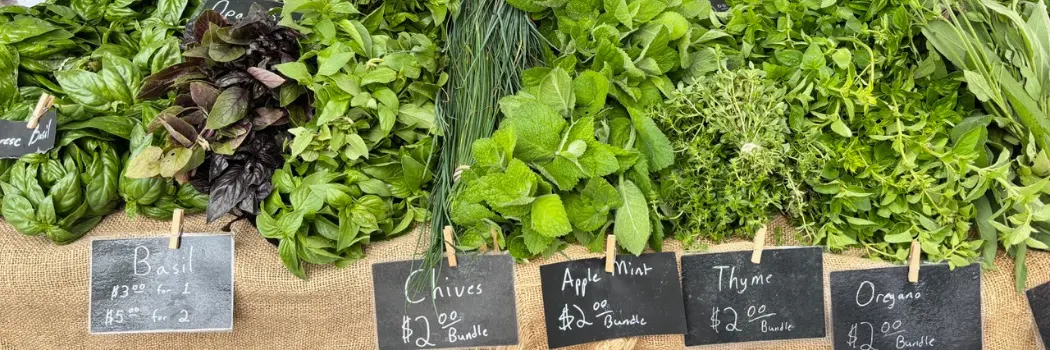
Some herbs, like common mint or basil, are easy to grow but suffer from intense competition and low price points. Unless you have a massive volume or value-added product (like pesto or dried tea blends), the margins are thin. The cost of labor for harvesting and cleaning often exceeds the wholesale price per pound.
Watch Out for Perennial Setup Costs
While perennials like lemon balm or echinacea offer returns in year two and beyond, they require a significant upfront investment. You must wait a full season or two for establishment before seeing profit. For a startup farmer, this cash-flow gap can be fatal. Stick to annuals or fast-cycling crops until your business is stable.
Check the Supply Chain First
Before planting anything, confirm who will buy it. A high-quality crop is worthless if no local restaurants, farmers markets, or processors are nearby to purchase it. Grow what is already in demand in your specific region, not what you think sounds interesting.
Profitable herbs to grow 2026: what to check next
Before committing land or capital, address the practical concerns that separate steady income from crop failure. The following answers cover market demand, seasonal timing, and the specific varieties that offer the strongest margins for startup farmers.
No comments yet. Be the first to share your thoughts!